




Choose the Best Brand of uPVC Door and Windows in Delhi for Lasting Value

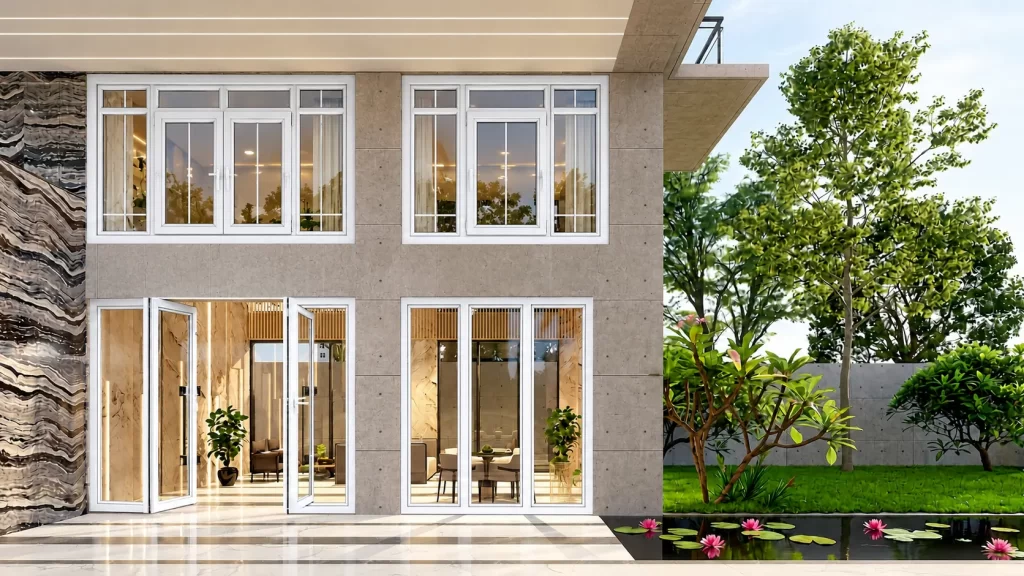
Nobody thinks about their windows until they start causing trouble. The sash that rattles all night, the wooden frame that swells every monsoon, the latch that jams in January. You put up with it for a while, then you finally decide to replace everything. If you’re a homeowner, builder, architect or a commercial developer, getting your uPVC door and windows in Delhi right is a decision you’ll be living with for decades.
And it’s about more than looks. Doors and windows decide how much daylight you get, how well a room breathes, how much of the street noise you hear, how safe the place feels and how much you’ll pay to maintain it. Delhi makes all of this harder. June is merciless, December is cold, dust coats everything, and the horns never stop.
That’s a big reason uPVC (unplasticized polyvinyl chloride) has taken off in new flats, houses and offices. It shrugs off moisture, asks for almost no upkeep, insulates reasonably well and comes in a lot of styles. The catch is that makers aren’t equal. Some put real effort into profiles, hardware, fitting and follow-up service. Some don’t. So if you’re hunting for the best uPVC door company, the price on the quote is only the start.
Below, I’ll go through how to pick the best quality uPVC doors and windows and what to check before you sign anything.
Ordinary frames take a beating here. Summers are scorching. Winters leave a real gap between indoor and outdoor temperatures. Add dust, pollution, humidity and noise, and most materials get tested hard. Properly specified and properly fitted uPVC doors and windows in Delhi can take the edge off a lot of this.
Comfort at home comes down to heat, mostly. Good uPVC profiles, snug seals and the right glass reduce how much heat moves through the opening.
So in May and June, less of the afternoon furnace gets in. In January, less of your room heater’s work leaks out. But don’t expect miracles from the frame alone. The glass, gaskets, workmanship and the surrounding wall all count. Think of windows as a partner to roof insulation, shading and a decent AC, not a replacement for any of them.
If your flat faces a main road, you already know how draining constant noise is. Traffic, drilling, hawkers, wedding bands: it all adds up, which makes sound insulation a feature worth paying for.
A well-made uPVC window in delhi with the right glass and tight perimeter seals can soften much of it. Depending on how bad your street is, ask about laminated glass, unequal glass thicknesses or other acoustic glazing. And don’t credit the frame for everything. The whole assembly decides how quiet the room ends up.
Here’s where uPVC earns its keep. Timber wants paint, polish and attention. uPVC wants a wipe with soapy water now and then. You do still need to look over the hardware, drain slots, gaskets and moving parts occasionally, but that’s about it.
If you’re juggling work and family, or you manage a building with dozens of units, that saved effort is genuinely valuable.
Steel rusts. Some metals corrode. uPVC just doesn’t react to water that way, which suits places that see rain, condensation or lots of mopping.
Still, a long life isn’t automatic. It depends on the profile formulation, how the unit was fabricated, the drainage design, the fittings and the installation. Skip proper drainage and sealing, and even a good window will let you down.
Gone are the days when uPVC meant plain white and nothing else. Today there are many opening styles, colours and finishes. Apartment, independent house, villa or office, you’ll find something that works. Pick classic white, a wood-effect finish, a coloured profile, a big glass opening or a slim sliding unit. Performance and style don’t have to compete.
Collecting three quotes and picking the lowest won’t cut it. A good supplier first understands your property, suggests a sensible setup, builds products that stay consistent and then fits them well. These are the things to check.
Think of the profile as the skeleton. It sets how stiff the unit is, how well it seals and insulates, and whether it can hold your chosen glass and hardware. Put these questions to the supplier:
More chambers don’t automatically mean a better window. Profile, structure, fabrication and fitting have to work as one system.
A top-grade profile can still become a bad window if the workshop is careless. Clean cuts, solid corner welds, sensible drainage and well-seated gaskets make the difference.
When you speak to uPVC doors and windows manufacturers in Delhi, ask how they fabricate, what checks they run and whether they’ve done jobs like yours. A serious firm can walk you through measuring, assembly, inspection, delivery and fitting without hesitation. That kind of openness is what you should expect from a company like APL Apollo Doors and Windows, and from any other maker you shortlist.
Hardware decides how safe, smooth and long-lasting your window will be. Hinges, handles, locks, rollers and stays all need to match the size and weight of the opening.
Front doors need strong fittings and proper locking. Sliders need rollers and tracks that glide without effort. Whatever you’re told, get the hardware specs written down. A brochure that says “premium” or “heavy-duty” tells you nothing.
Fitting can make or ruin the whole job. A beautifully built window that’s badly installed will leak, stick or whistle. A capable crew should:
So you’re really judging two things: the product and the people who put it in.
These are long-term fixtures, so what happens after installation matters. Ask for the warranty in writing, covering profiles, hardware, glass and workmanship. Find out what’s excluded, what upkeep you’re responsible for, how complaints get handled and whether spares are easy to find.
A clear warranty and a service team that picks up the phone beat a rock-bottom quote with fuzzy promises.
Which window suits you depends on the space, airflow needs, room layout and how the building looks from outside. Here’s a quick tour.
A casement window is hinged to its frame and swings in or out, depending on the system. Bedrooms, living rooms and kitchens are the usual homes for them, since you control how much air comes in. When it’s closed properly, the sash presses against the seals and helps keep out air and water. Simple to use and good at sealing.
Sliders move sideways along tracks, so nothing swings into the room or outside. That’s handy in flats, balconies, small bedrooms and any spot where an opening shutter would hit the furniture.
When you inspect one, check the rollers, the track design, drainage, locks and how easy it is to clean. Also remember that your airflow depends on how many panels slide and how the opening is laid out.
One unit, two ways to open. Depending on the hardware, the sash tips inward from the top for gentle airflow, or swings inward fully for a wide opening. They work well in modern homes where you want ventilation control and easy cleaning, but the hardware and fitting have to be chosen carefully.
These don’t open at all. They bring in light, frame a view and stay sealed. Stairwells, living rooms and feature walls are typical spots, with fresh air coming from other windows nearby.
A big fixed pane looks great. Just think through the glass spec, structural support, safety rules and how you’ll reach it to clean before you commit.
A bay window pushes out from the wall, adding depth and sometimes a little extra floor space. A combination window mixes types, like a fixed pane beside casement or sliding sections.
They balance light, air and views nicely, but plan the structure and weatherproofing early. If you’re still deciding what suits each room, our guide on Types of Windows for Home can help.
A balcony door has different jobs from a main entrance or a patio door. Space, daily use, security and the style of the building should all guide your pick of uPVC door in delhi.
Hinged panels, suited to balconies, terraces, utility areas and a few exterior openings. Designed well, they give easy passage and good weather sealing. Check that the profile, hinges, lock and threshold fit the door’s size and how exposed it is.
Sliders are a favourite for balconies, patios and gardens when floor space is tight. Wide glass panels pull in daylight and connect rooms to the outdoors. A good system has quality rollers, secure locks, suitable glazing and dependable drainage. With large panels, look closely at the structural support and what weight the hardware can carry.
Two hinged panels opening from the centre. They suit patios, garden access, balconies and large interiors where a wide opening feels right, and they look at home in both traditional and modern houses. Check the locking, the sealing and whether there’s enough room for the panels to swing.
At the front door, security, strength, weather resistance and compatible hardware matter most. Not every uPVC door system is built for the same security level. Go for a design made for entrances, with proper reinforcement, locking points, hinges and glazing where it applies. Match the door to your building’s security needs, and don’t assume the material name does the job.
No single feature gives you the best quality uPVC doors and windows. The frame, glass, hardware, seals, fabrication and installation have to pull together. Once you understand each part, comparing products gets a lot easier.
The profile must suit the opening’s size, type and position. Larger units usually need reinforcement to stay stable under load. Ask the supplier how their system copes with your dimensions, wind exposure, glass weight and daily use.
Glass shapes heat, noise, safety and light. The usual options are:
What’s right for you depends on orientation, exposure, safety, noise and budget.
Gaskets and seals manage air and water around a closed sash, and drainage channels let any water that gets in find a way out. Weak seals or clogged drains cause leaks, drafts and sticking, so confirm the design has proper weatherproofing for where you live.
White is still the most common choice, though wood-effect and coloured finishes suit villas, premium flats and unusual designs. Ask about colour stability, cleaning, surface care and warranty cover. And look at samples under the same light the windows will actually sit in.
Every side of a building takes different amounts of sun, wind, dust and noise. So one specification rarely suits every room.
Sun streaming through glass dumps a lot of heat indoors. Consider which way each window faces, how much glass there is, the solar-control quality of that glass and whether outside shading is possible. Good glazing and well-sealed frames help, but plan windows alongside ventilation and cooling. The frame won’t do it all.
A badly sealed window lets in drafts and bleeds heat. Look at the whole system: profile build, glazing, gaskets and fitting. Our guide to best uPVC windows for winter covers what really affects cold-weather performance.
Dust is part of daily life here, and the post-Diwali haze doesn’t help. Properly fitted windows with good seals cut down uncontrolled air leakage when shut. You’ll still need to clean tracks, drain slots and hardware regularly, and if air quality bothers you, add proper ventilation and filtration.
Living near a busy road, a railway line, a market or a construction site? Pay attention to acoustic performance. Laminated glass, suitable insulated glazing, effective seals and careful fitting all help. Match the spec to how loud the noise is and what kind it is.
The cost of uPVC Doors and Windows in Delhi shifts with configuration, size, frame system, glass, hardware, colour and installation. A trustworthy quotation spells out exactly what you’re buying instead of quoting one rate per square foot.
| Cost factor |
How it affects the quotation |
| Window or door size | Larger openings use more material and may need extra structural support. |
| Opening style | Casement, sliding, tilt-and-turn and other systems need different hardware and fabrication. |
| Profile specifications | Profile design, reinforcement, finish and system quality influence price. |
| Glass type | Specialised, laminated, tinted and insulated glazing change the total. |
| Hardware | Locks, hinges, rollers and other fittings vary in spec and cost. |
| Installation | Site access, removing old frames, finishing and complexity affect labour. |
| Customization | Special colours, shapes, sizes and configurations can raise manufacturing costs. |
To compare quotes fairly, ask for an itemised estimate showing measurements, product specs, glass type, hardware, installation, taxes and any extra finishing work.
The cheapest number isn’t always the best deal. A suitable product, fitted well and backed by real service, often costs less over its lifetime.
The right suppliers of uPVC windows and doors save you from uneven quality, wrong measurements, late fitting and missing after-sales help. A few practical checks go a long way.
Ask to see finished installations in properties like yours. If possible, visit one and look at the alignment, finish, operation and sealing. Past work shows how a supplier copes with different layouts and awkward sites.
The quote should name the profile system, opening type, glass, hardware, colour, sizes and what installation covers. Clear specs make it much less likely you’ll receive something other than what was promised.
Openings in Indian buildings are rarely perfectly square, so accurate measuring matters a lot. Ask whether the supplier does a site survey, confirms final dimensions and explains the installation steps before production starts.
A professional supplier answers clearly, gives realistic timelines, sends written quotes and is easy to reach. Also settle who is responsible for transport, damage during fitting, adjustments and warranty claims.
When you line up quotes, make sure they cover the same specification. A lower figure can hide a thinner profile, cheaper hardware, plainer glass, a smaller installation scope or a weaker warranty. A fair comparison shows you which option balances performance, looks, durability and cost.
Selection and co-ordination becomes much easier with experienced uPVC doors and windows manufacturers in Delhi, particularly when it concerns new builds, renovations, housing projects and commercial properties. They can suggest configurations based on your building size, airflow needs, taste and weather exposure.
Their strength in manufacturing and fitting counts most on big glazed openings, mixed window styles, custom finishes or large unit counts. Before you pick one, look at the product range, fabrication process, technical knowledge, installation crew, warranty and service setup. APL Apollo Doors and Windows is one name that deserves a place on your shortlist when you start comparing.
For builders and architects, consistent specifications and smooth coordination keep things uniform across rooms, floors and buildings. What you really want is a supplier who delivers the agreed spec every single time and stays reachable after the job is done.
Good products can still disappoint when the basics get missed.
A low quote may leave out fittings, finishing or installation. Compare the full scope.
The frame doesn’t decide insulation or noise reduction by itself. Choose glass for your exposure, orientation, safety and acoustic needs.
Mismatched fittings hurt smooth operation and reliability. Make sure hinges, rollers, locks and handles suit the job.
Poor alignment, wrong fixings and weak perimeter sealing all hurt performance. Confirm the crew follows a sound process and inspects the finished work.
Verbal promises don’t define coverage. Get terms in writing and learn how service requests are handled.
A slider may be perfect where space is tight, while a casement may work better elsewhere. Decide by layout, airflow and how easily you can reach the window to clean it.
Run your shortlisted options through this:
Ten minutes with this list can spare you a lot of confusion and arguments later.
Choosing the right uPVC door and windows in Delhi means weighing product quality, design, insulation, security, installation and long-term service together. Get it right, and daily life feels more comfortable, upkeep shrinks and the property looks better. For builders and architects, consistent specifications and dependable fitting keep quality steady across residential and commercial projects.
Before you decide, compare profile systems, glazing, hardware, opening styles and written warranties. Judge suppliers on their technical knowledge and fitting ability, not only the first figure on the quote. Focus on the best quality uPVC doors and windows, suitable designs and professional installation, whether from APL Apollo Doors and Windows or another supplier that passes your checklist, and the investment will serve your home well for years.
Ans. The right choice depends on profile quality, hardware, fabrication standards, warranty, and service support. APL Apollo Doors and Windows is a name worth shortlisting. Compare written specifications and warranties from two or three uPVC doors and windows manufacturers in Delhi before deciding.
Ans. Look for a supplier that does a site survey, measures every opening, and inspects the work before handover. Check Google reviews and ask to see completed projects. APL Apollo Doors and Windows is one option to include when you compare installation quality and after-sales support.
Ans. The best brand is the one that matches your climate, budget, and window type, and offers a clear written warranty. Compare profile design, glass options, hardware, and service network. APL Apollo Doors and Windows is a good brand to evaluate alongside others on those points.
Ans. uPVC doors and windows in Delhi help reduce heat transfer in summer and retain warmth in winter. With the right glass and seals, they also cut traffic noise and limit dust entering the home. They resist moisture and rust, need little upkeep, and come in many designs. Results depend on the glass, hardware, and installation quality.


