




Can Your Windows Beat the Cold? Meet the Best uPVC Windows for Winter

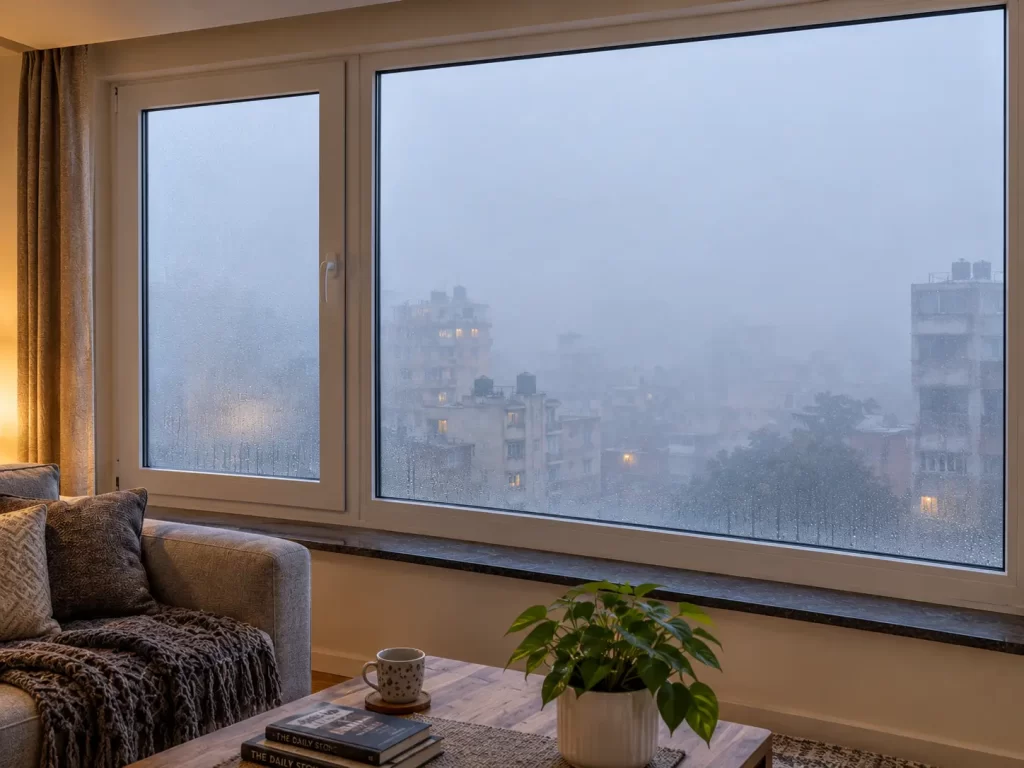
Can your windows beat the cold? Every December, Delhi NCR learns the answer the hard way. The heater runs all night, the curtains stay drawn, and the room still feels damp and chilly. Most people blame the heater or the walls. The real culprit is often the window.
A loose sash, a worn rubber seal, or a thin sheet of single glass lets warm air slip out and cold air creep in, so you end up paying twice. That is why choosing the best uPVC windows for winter is about more than good looks. It decides how warm your mornings feel and how high your electricity bill climbs, whether you live in Delhi, Noida, Gurugram, or Ghaziabad.
Think about the last cold night you spent at home. You probably felt a faint draught near the window, noticed moisture running down the glass by morning, or caught the curtains swaying even though every door was shut. These are not small annoyances. They are signs that your home is losing heat all day and all night, and that your heater is working far harder than it should.
The good news is that this problem has a clear fix. A well-made uPVC window, fitted properly with the right glass and tight seals, can turn a drafty room into a calm, warm corner of the house. It also cuts outside noise, keeps out dust, and needs almost no upkeep. But not every window sold as “insulated” delivers on that promise, and the difference often shows up only after you have paid.
In this guide, we break down what actually makes a window hold heat, which features are worth paying extra for, and the exact questions to ask before you hand over any money. By the end, you will know how to spot a window that keeps the warmth in and the cold out, long after the first winter is over.
Delhi winters aren’t Shimla-cold, but they’re sneaky. A sunny 20°C afternoon can turn into a foggy single-digit morning within a few hours. The Delhi winter temperature swings most sharply from late November to early February, and December and January bring the heaviest fog. A window that copes with that swing has to handle two things: heat escaping through the frame and glass, and cold air slipping in through gaps.
Your windows also work year-round. The same frame sees 45°C summers, monsoon humidity, dust, pollution and road noise. So when you compare windows, look at the whole package (profile, glass, seals, hardware and fitting) rather than the colour or the brochure photo.
There’s no single magic product. A small bedroom window facing an inner courtyard doesn’t need the same specification as a big road-facing living room window that takes cold wind and traffic noise all day.
A uPVC profile isn’t solid plastic. Inside, it’s divided into separate chambers, and each wall between them interrupts the path heat takes. That’s a big reason uPVC suits homes where warmth matters. For larger openings, steel reinforcement inside the profile adds strength without giving up much insulation.
When you talk to a supplier, ask about the number of chambers, the profile depth, the wall thickness and what reinforcement is used. If they answer clearly and show you a sample section, that’s a good sign. If you get vague talk about “premium quality,” be careful.
Stand next to a single-glazed window on a January morning and you can feel the cold coming off the glass. Single glass barely slows heat down. Double glazing adds a second pane and a sealed gap, so the inner pane stays closer to room temperature.
It makes the most difference in road-facing bedrooms, west-facing rooms and air-conditioned rooms, where it helps with noise and summer heat too. If you’re also thinking about summer, ask about Low-E or solar-control glass. A window that wins in January shouldn’t turn your living room into an oven in May.
Heat leaves a room in three ways:
A good window deals with all three. The frame reduces conduction, the glazing slows heat through the glass, and the gaskets stop draughts.
People often ask when winter starts in Delhi in 2026. There’s no official date. The change from post-monsoon weather to real cold is gradual, and the sharper drop comes in November. As of early October, temperatures are still well above winter levels, which makes this a good time to check your windows before the rush. Closing the sash and running a hand along the edges takes two minutes. Look for stiff gaskets, wide gaps in sliding tracks and cracks around the frame.
Style affects how well a window can seal. Here’s how the main types compare.
|
Window style |
Winter sealing | Best used for |
Things to check |
| Casement | Excellent, as the sash presses into the frame | Bedrooms, road-facing rooms | Hinge and lock adjustment |
| Tilt & turn | Excellent, with controlled ventilation | Bedrooms, study rooms, living rooms | Hardware quality |
| Sliding | Good if well engineered | Balconies, kitchens, compact flats | Track design, brush seals, interlock |
| Fixed | Best, as there are no moving parts | Large glass panels, rooms with other ventilation | Needs a separate opening for fresh air |
Most homes end up mixing styles room by room, and that’s usually the sensible approach.
If you mainly want to stop draughts, casement windows are hard to beat. The sash locks against compressed seals all the way round. Tilt-and-turn adds a handy extra: you can tilt the sash open a few centimetres for fresh air without letting the whole winter in. That suits bedrooms and study rooms well. Just make sure the hardware is adjusted so the sash pulls tight, or the design advantage is wasted.
Sliding windows save space, which is why they’re so common in Indian apartments. Their weak point is mechanical. The sash runs along a track instead of pressing into the frame, so the quality of the track, the meeting rail and the brush seals decides how airtight it is. A well-made sliding system works fine in winter, but a cheap one lets air whistle through. If you’re looking at uPVC windows for cold weather in Gurugram, ask directly about the sealing and interlocking design, not just the price per square foot.
Home insulation works like a team. Walls, roof, doors, floors and windows all have a part. If one is poor, the whole house suffers. The frame cuts conduction compared with plain metal. Double glazing adds an insulating gap. Gaskets and proper sealing at the wall joint stop air getting in.
This is why “it’s uPVC” isn’t enough information. A uPVC frame with single glass and a sloppy fit can feel worse than a well-specified system. Summer is part of the same decision, so think about shading and glass type for rooms that face the sun.
Balcony and patio doors are big sheets of glass, so they can lose more heat than several windows put together. If you sit near a balcony door and feel a draught even when it’s shut, the cause is usually the seals, the glass or the frame.
Good sliding door winter insulation depends on:
Rollers matter more than people expect. A door that has dropped slightly out of alignment won’t close tight, however good the seals are. Check that it glides smoothly and closes with even pressure. A heavy curtain makes you feel warmer, but it doesn’t fix a leaking frame.
uPVC vs Wood
|
Feature |
uPVC |
Wood |
| Thermal insulation | Very good with suitable glazing | Naturally good |
| Maintenance |
Low |
Higher |
| Winter sealing | Very good when correctly installed | Depends on condition |
| Large openings |
Good |
Moderate |
| Moisture resistance |
High |
Needs upkeep |
| Design flexibility |
High |
High |
| Suits Delhi NCR |
Yes |
Possible with maintenance |
Plain aluminium conducts heat quickly, so it needs a thermal break to compete. Wood insulates well but needs regular care in a climate that swings between dry heat and monsoon damp. For most Delhi NCR homes, uPVC hits a good balance of warmth, sealing and low upkeep. But a well-fitted mid-range system will usually beat a badly fitted premium one, whatever the material.
A high-rise flat in Noida, a builder’s floor in Ghaziabad, a house in Gurugram, and an old property in central Delhi all need different things from a window. Before you look at a single catalogue, work out which rooms actually feel cold. North-facing bedrooms, rooms with wide openings, and rooms that open onto balconies usually lose the most heat. Once you know where the problem is, choosing the best uPVC windows for winter becomes much easier.
Older homes in Delhi often have uneven or non-standard openings, so accurate measurement matters more than the brochure. Start with your coldest rooms and ask for double glazing, tight gaskets, and a frame that closes without gaps. When you are ready to compare options, check the specifications and warranty terms offered by uPVC doors and windows manufacturers in Delhi, and ask each one how they handle site measurement and fitting.
Open exposure and traffic noise are common here, especially in newer towers and societies near main roads. Good insulation and good sound control tend to come from the same features: double glazing, quality seals, and clean installation. A window can have excellent glass and still leak if the fitting is careless, so ask who will install it and how the gaps are sealed. It also helps to look at uPVC doors and windows manufacturers in Noida/Greater Noida who can show you finished work in nearby projects.
Busy roads and dust are part of daily life in many Ghaziabad localities. Rather than comparing only prices, ask two or three suppliers for a full written specification covering profile thickness, glass type, hardware, and warranty. Quotes that look similar on paper often differ a lot once you read the details.
Large apartment windows and balcony doors put real pressure on a frame, so strength and hardware quality matter as much as insulation. Look at the complete system, not just the profile: the reinforcement, the locking points, and the glass together decide how well the window holds heat. Many buyers shortlist a few uPVC windows and doors manufacturers in Gurugram and then visit a showroom to test how smoothly the sashes open and close.
Whichever city you are in, put at least three full specifications side by side before paying an advance. APL Apollo Doors and Windows is one name you can add to that list, so you have a few complete options to compare on glass, sealing, installation, and after-sales support.
Even the best uPVC windows for winter can’t fix everything. If your doors leave a gap at the bottom, your walls are damp or your roof leaks heat, new windows alone won’t give you the comfort you’re hoping for. These winter insulation tips are cheap and make a real difference:
Double glazing lowers the chance of condensation, but it won’t cure a damp room by itself. Stack several small fixes together and the house feels noticeably warmer.
Searching for the best company windows for winters gets confusing fast, because every brand shouts about something different. Skip the brand names and the lowest quote, and build a checklist instead.
Ask each supplier the same questions, including APL Apollo Doors and Windows if it’s on your shortlist:
Be wary of any company promising “100% insulation.” Nobody can. A trustworthy supplier will explain the specifications and give you documents you can compare. A very low quote that leaves out finishing or old-frame removal usually gets more expensive later.
Installation decides whether a good window performs as advertised. The installer has to measure the opening accurately, check the wall, sill and alignment, fix the frame securely and seal the perimeter properly. Older Delhi and NCR properties are tricky because of uneven masonry, old metal frames and non-standard sizes.
When the job’s done, open and close every sash several times. Handles should move smoothly, locks should engage cleanly and the gaskets should touch evenly all round. Look for gaps between frame and wall or patchy sealant. If you want your windows winter insulation to work the way the brochure promised, this is where it happens or doesn’t.
Yes, but not just by buying something labelled “winter-ready.” The best uPVC windows for winter are systems where profile, glass, gaskets, hardware and installation all work together. Pick casement or tilt-and-turn where sealing matters most, double glazing where you can, and a well-made sliding system where space is tight.
The cold season is only weeks away. If your windows rattle, leak air or leave the room colder near the glass, now is a good time to start asking for quotes. Talk to a few suppliers, APL Apollo Doors and Windows among them, and compare what each one offers.
There’s no fixed date. The weather shifts gradually from post-monsoon conditions, and the cold becomes more noticeable through November before peaking in December and January. Early October is still a good time to prepare.
Well-specified uPVC windows with double glazing, good gaskets and professional installation are a strong choice. Casement and tilt-and-turn suit tight sealing, and good sliding systems work where space matters.
They cut heat loss through the frame and glass and stop uncontrolled air movement. Multi-chamber frames, double glazing, quality gaskets and proper fitting all play a part.
Check seals, sliding tracks and the joint between frame and wall. Replace worn gaskets, adjust hardware and reseal gaps. Curtains help you feel warmer, but they don’t replace proper sealing.
Combine sealed windows, suitable glazing, curtains, controlled ventilation and efficient heating. For a lasting fix, upgrading poorly performing windows helps your home keep the warmth it already has.


